
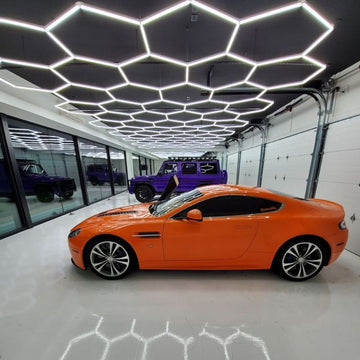







Garage Lights & LED Garage Lighting
Shop garage lights and LED garage lighting for parking bays, home workshops, detailing spaces, storage areas and multipurpose garages. Compare geometric ceiling grids, rectangular layouts, shop-style fixtures, motion-sensor options and task lighting in sizes suited to compact work zones and larger multi-bay spaces.
Choose by garage dimensions, ceiling height, activity and required coverage—not wattage alone. For a calculation by room size and use, read how much light a garage needs. Looking specifically for geometric ceiling grids? Browse hexagon garage lights.
Need layout inspiration? See 15 garage lighting ideas. Planning a professional detailing bay? Compare detailing light tunnel configurations.
Hexagonal Lights


5-Hex LED Light Grid for Garages & Gyms – 8' x 5'5"


4-Hex LED Light Grid – Linear or Staggered
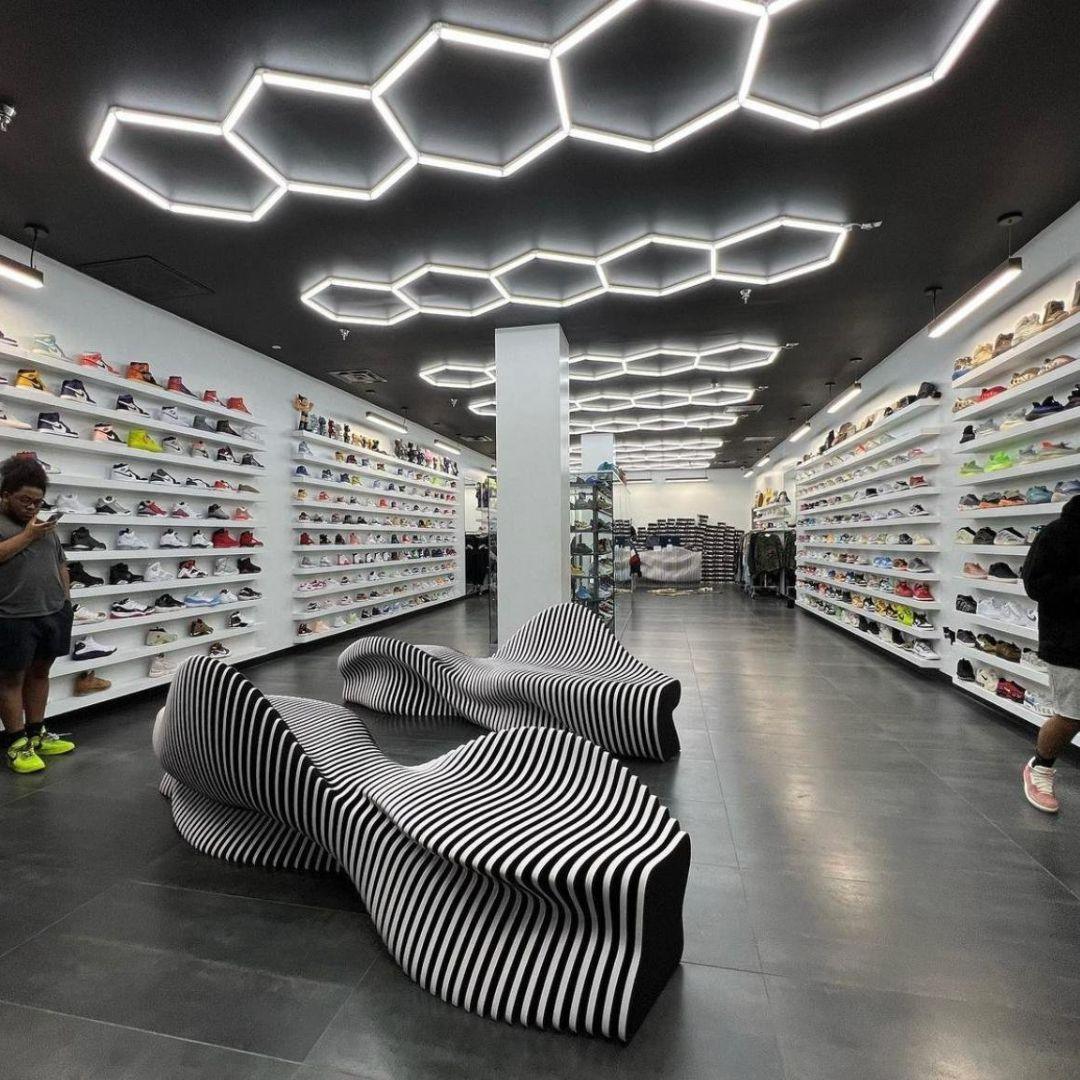
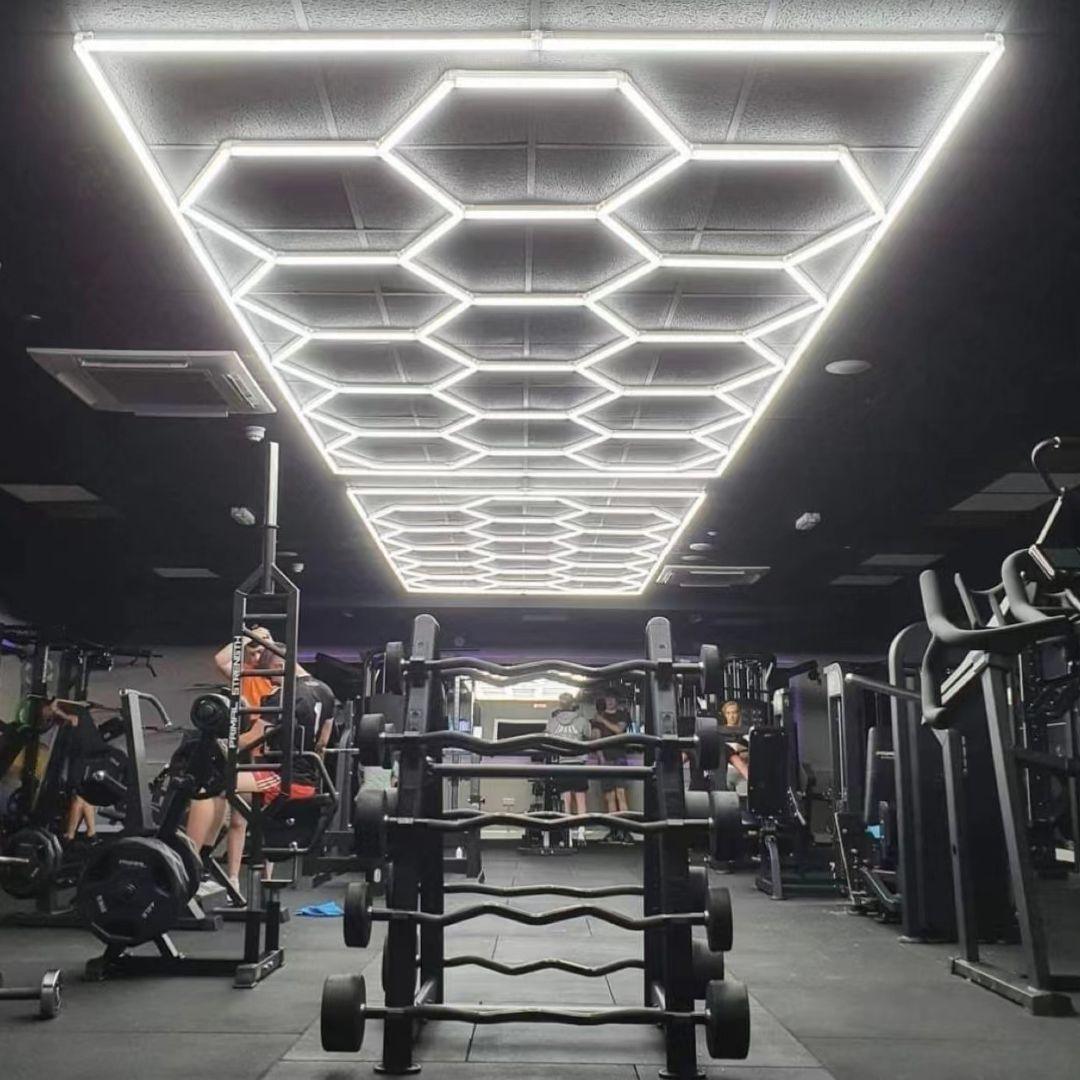
Custom Hexagonal Lights Set (Free Design & Quote)


11-Hex LED Garage & Gym Light Grid – 8' x 11'1"

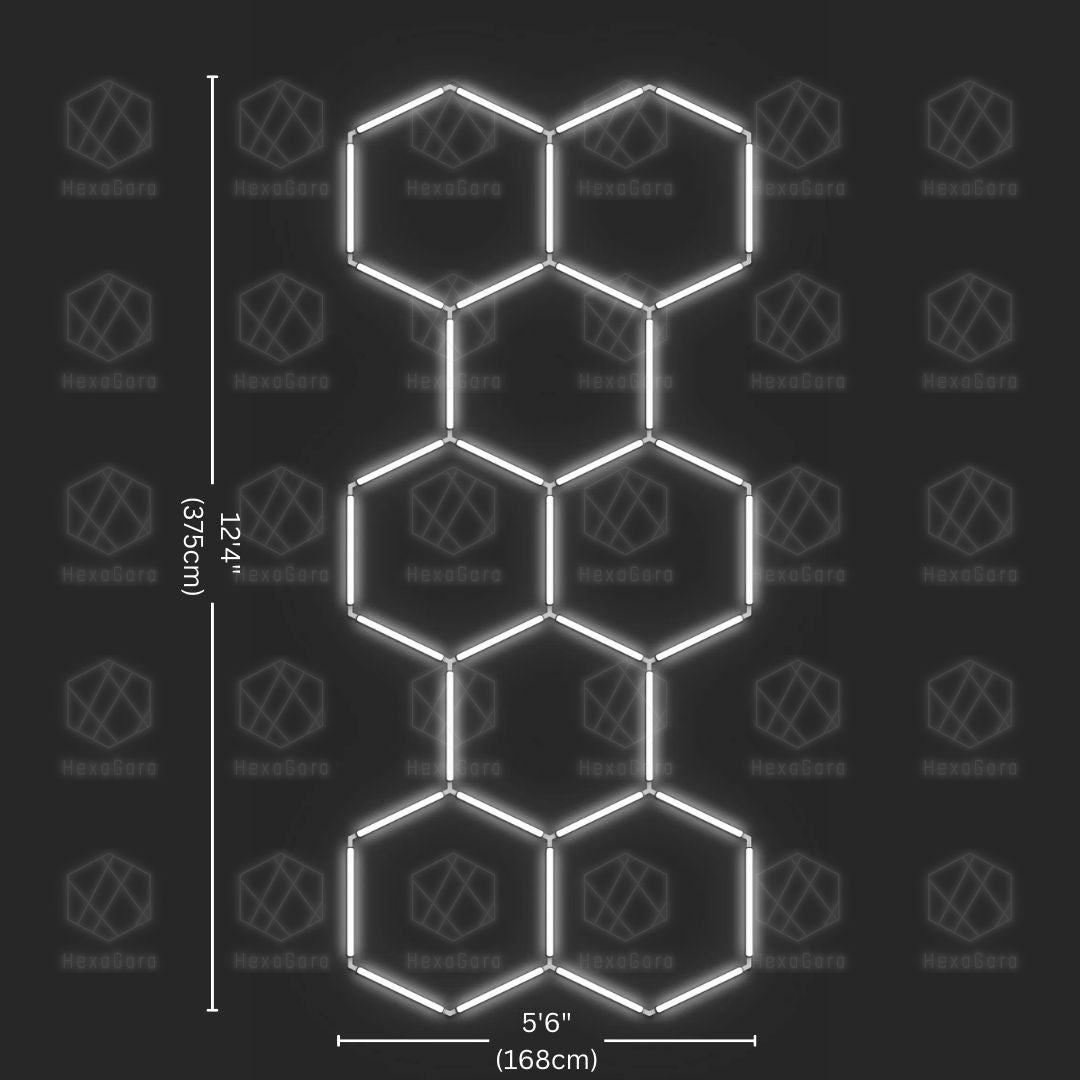
Hexagonal Lights Grid - 8 Hexagons (12'4" x 5'6")


Hexagon Lights Grid - Large Hexagon (4' * 3'6"/ 1.2M x 1M)


Hexagon Lights Grid - 5 Large Hexagons (9'10" x 6'10"/ 3M x 2.1M)


11-Hex LED Light Grid with Illuminated Border – 16' x 10'
Rectangular Lights

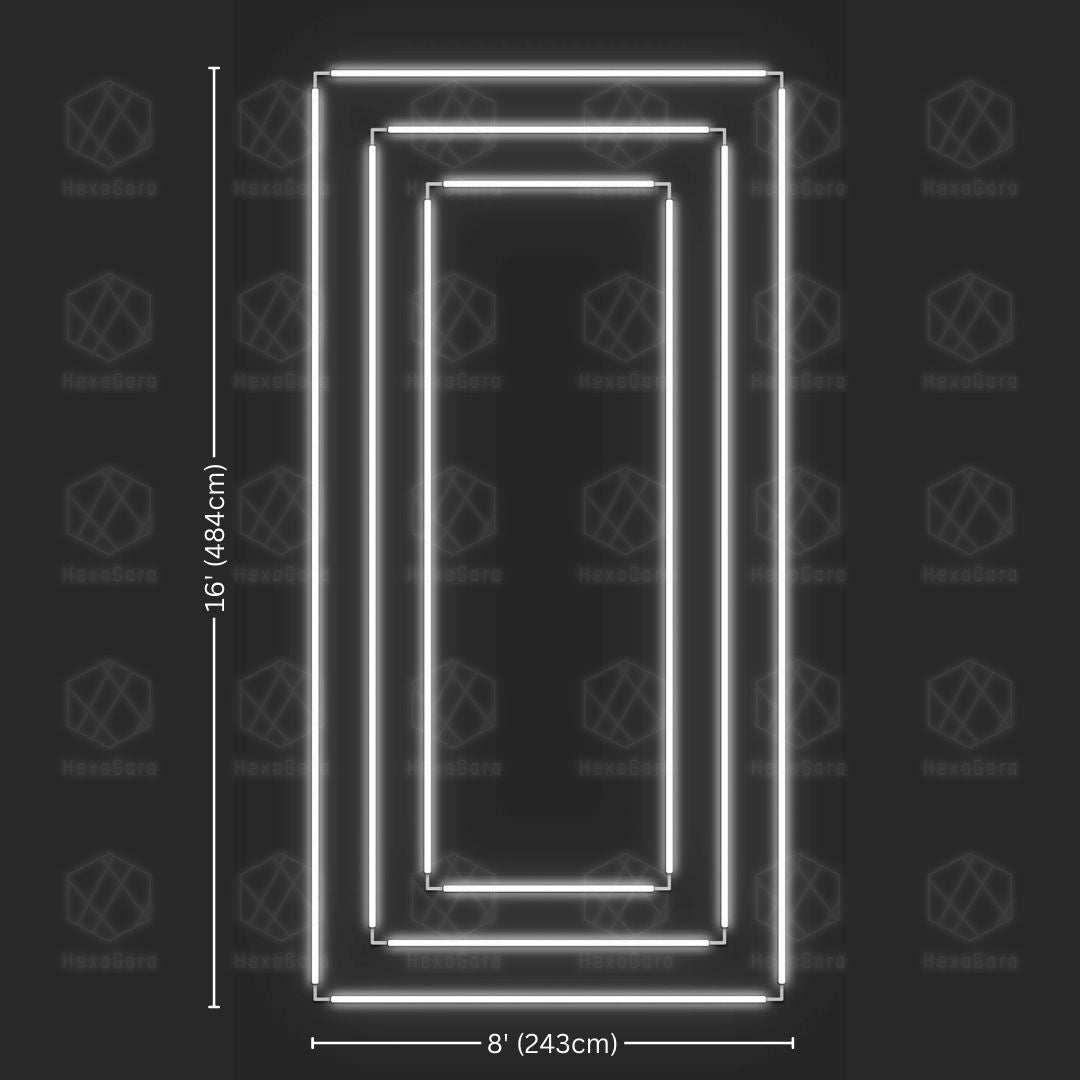
Large Rectangular LED Light Grid – 16′ × 8′


Large Rectangular Lights Grid - Single (2.4M * 4.8M, 10cm-thick Light Tubes)


Large Rectangular Lights Grid - Single (2.4M * 4.7M, 75mm-thick Light Tubes)
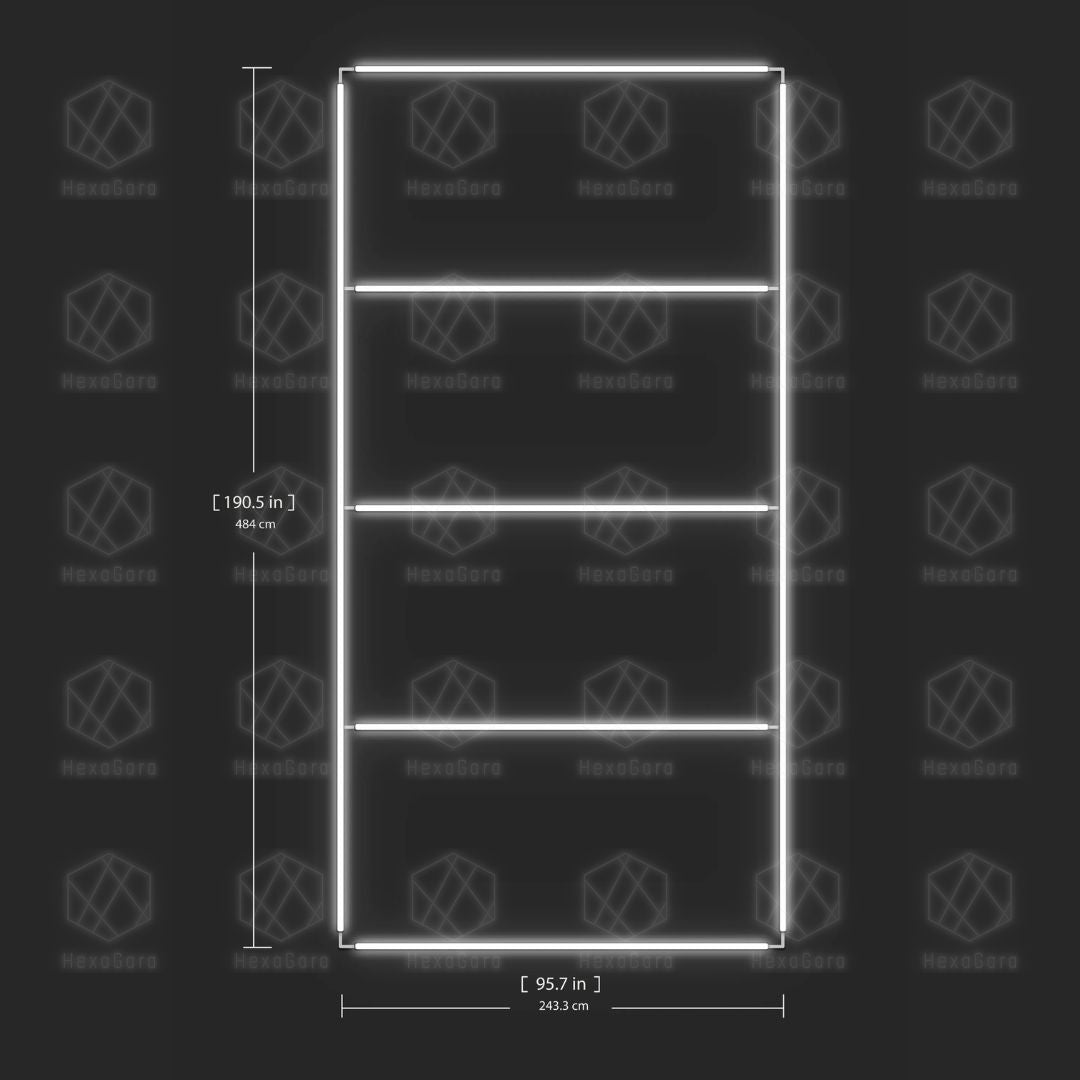
Large Rectangular Lights Grid - 4 Rectangles (8' * 16')
Geometric Lights

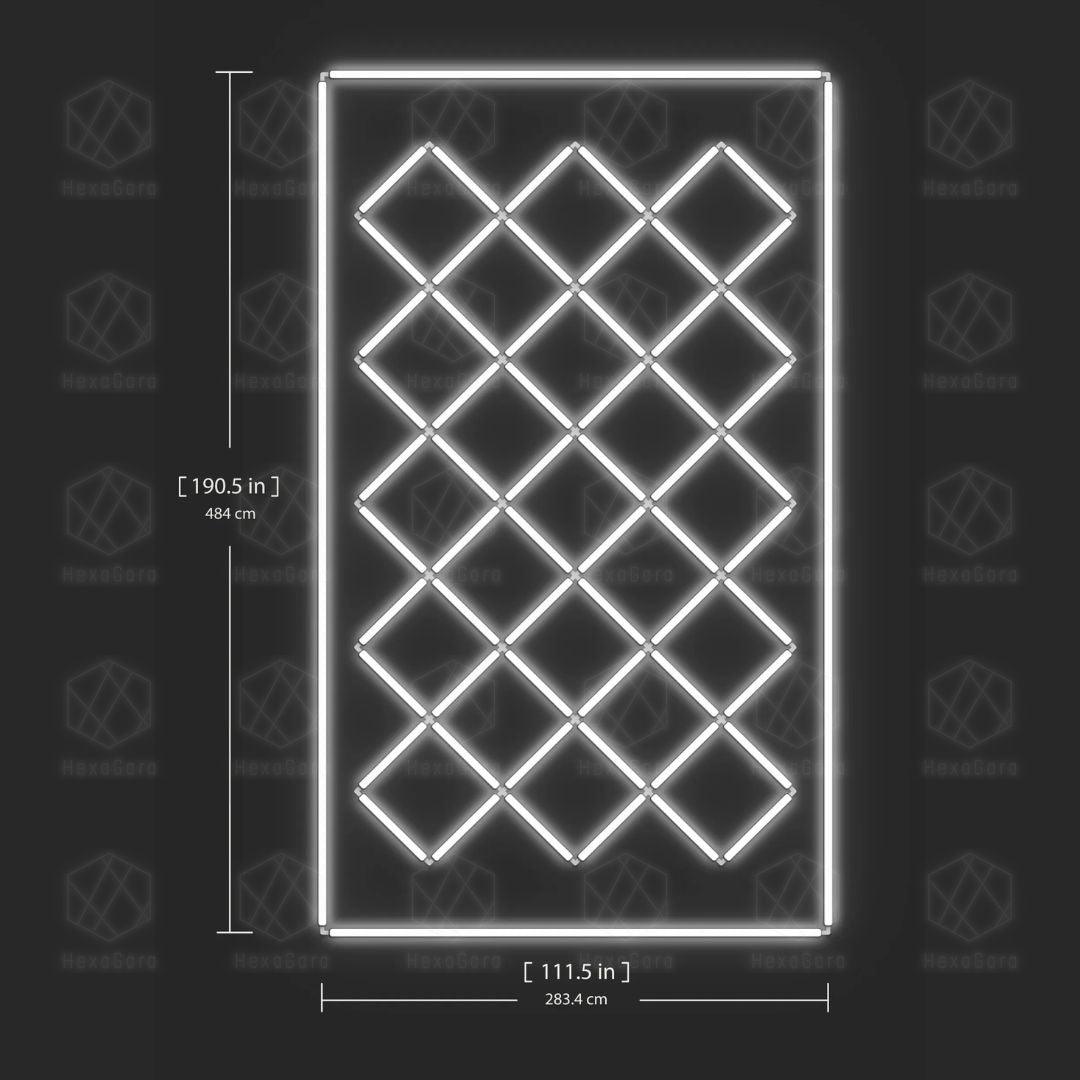
Diamond Lights Grid - 23 Diamonds with Border (8' * 16')


Diamond Lights - 13 Diamonds (8' x 8'/ 2.6M x 2.6M)

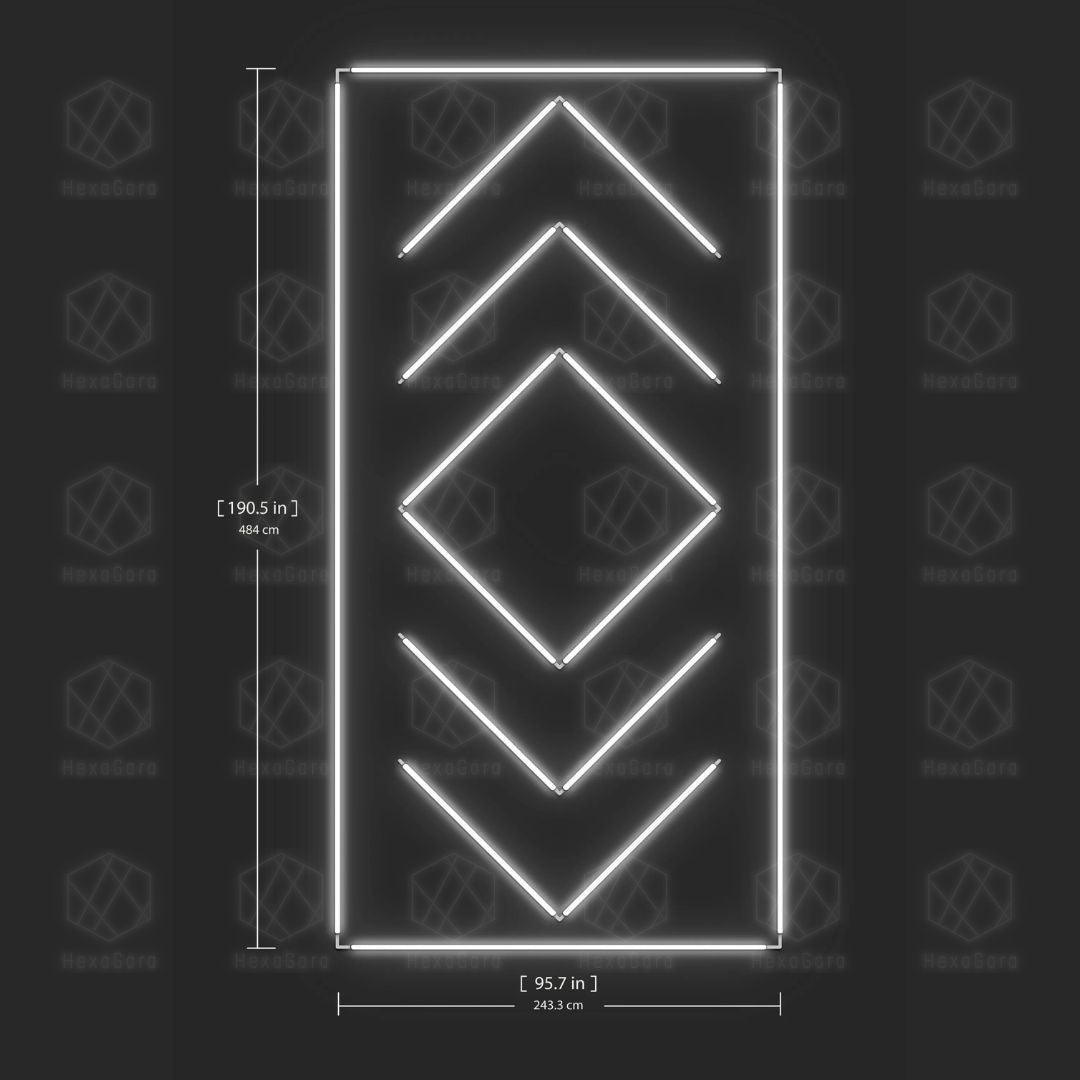
Arrows Lights Grid - Diamond with Border (8' x 16'/ 2.4M x 4.8M)
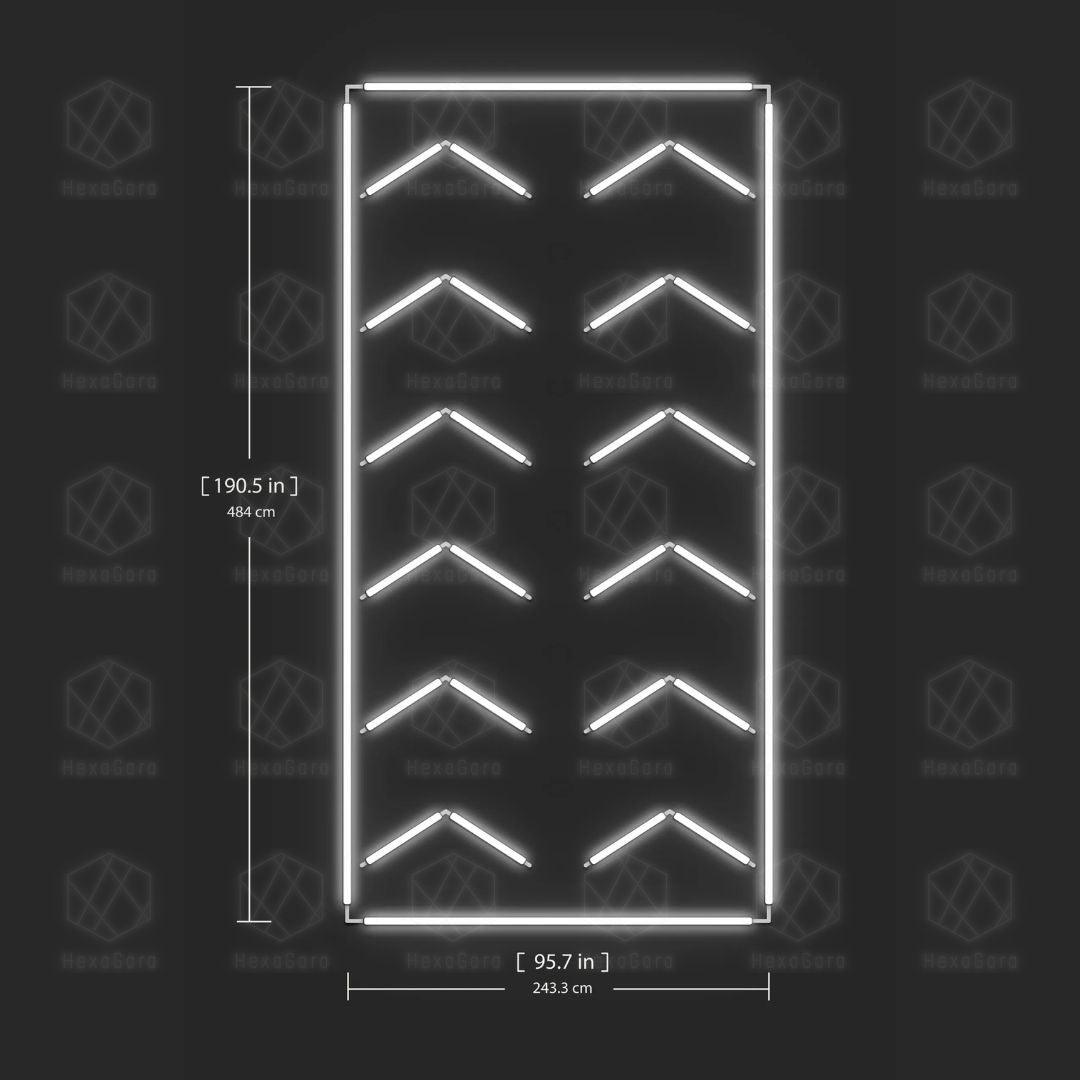
Arrows Lights Grid - 12 Arrows with Border (16' * 8'/ 4.8M x 2.4M)

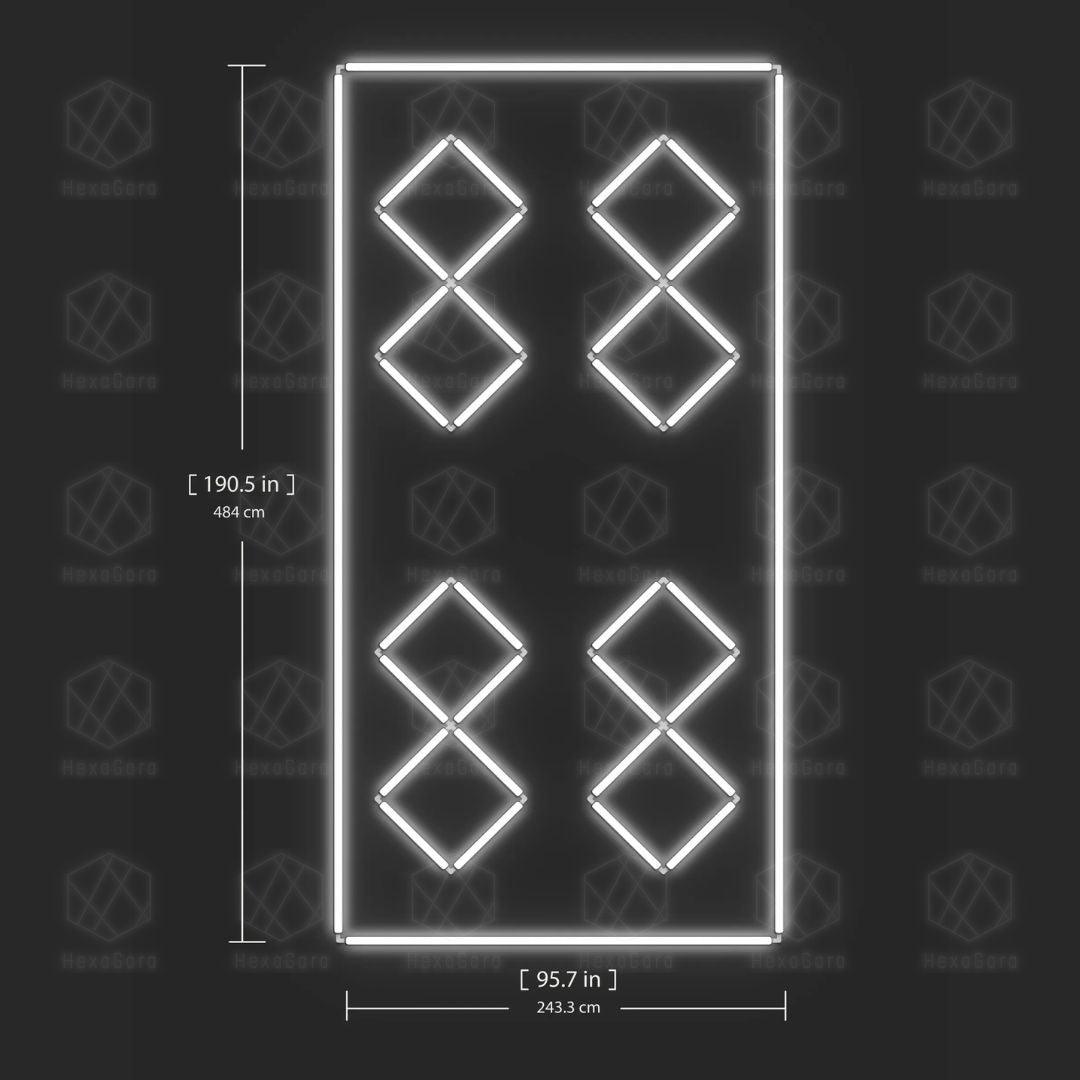
Diamond Lights Grid - 8 Diamonds with Border (16' x 8'/ 4.8M x 2.4M)

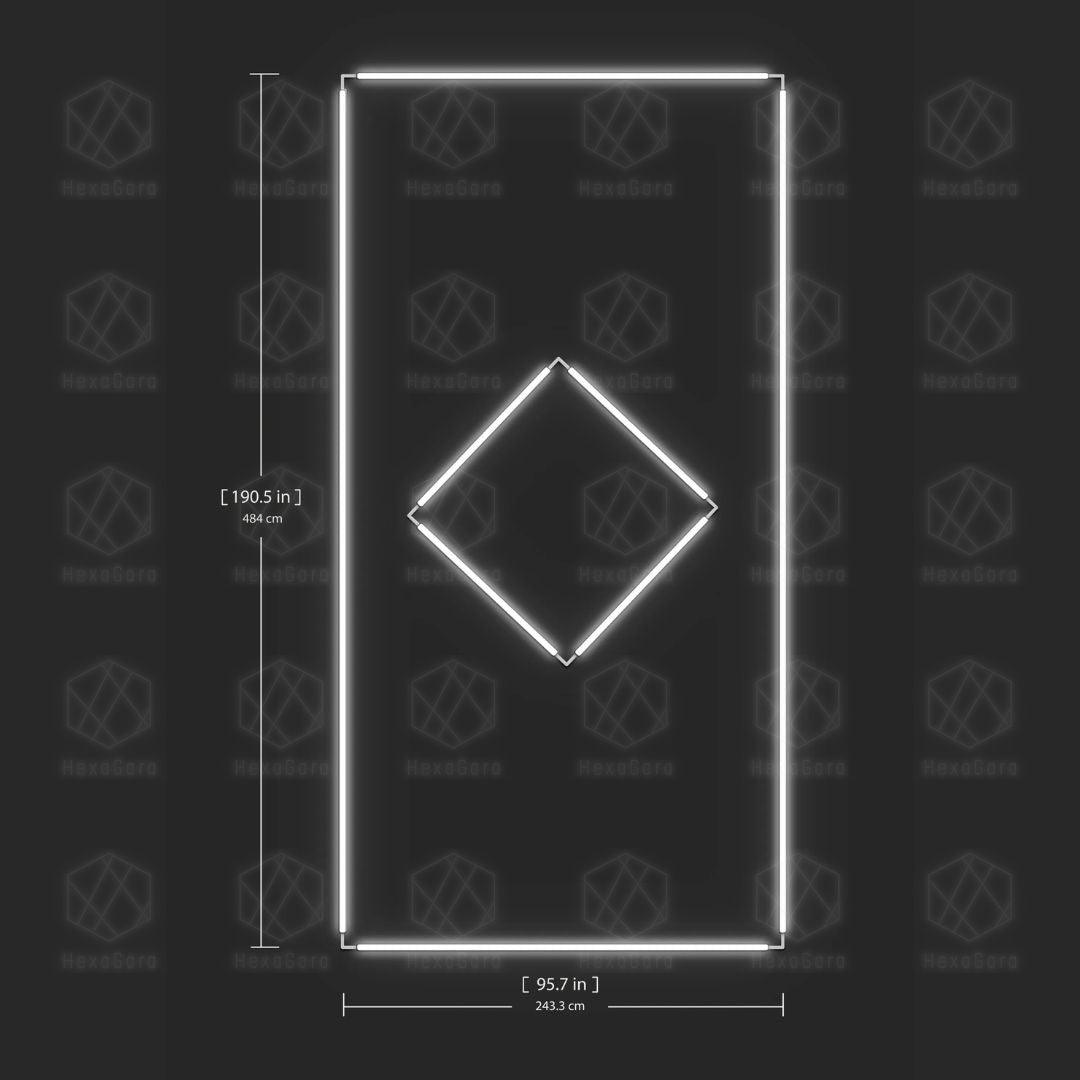
Diamond Lights Grid - 1 Diamond with Border (16' x 8'/ 4.8M x 2.4M)


Modular Triangle Wall Light (RGB)


Geometric Lights Grid - 10 Diamonds (7' x 6'/ 2.2M x 1.9M)
How to Choose Garage Lights
The right garage lighting depends on what you do in the space. A parking and storage garage needs comfortable, even general illumination, while a workshop or detailing bay needs more light at the work surface and better control of shadows. Start with the floor area, ceiling height and layout, then compare each fixture's assembled dimensions, light output, color temperature, mounting method and electrical requirements.
Match the Lighting to the Garage Use
- Parking and storage: prioritize uniform overhead coverage, dependable switching and clear visibility around shelves, steps and doors.
- Home workshop: combine general ceiling lighting with focused task lighting over benches, tools and repair areas.
- Vehicle detailing: add vertical or angled lighting to overhead fixtures so vehicle sides, paint defects and lower panels remain visible.
- Home gym or multipurpose garage: look for broad coverage, comfortable glare control and zoning or dimming where supported.
Compare Garage Lighting Types
Geometric LED grids use interconnected light tubes and connectors to spread light across a wide ceiling area while creating a distinctive hexagonal, rectangular or square layout. For garage-specific geometric systems, see our hexagon garage lights.
Shop-style and linear fixtures suit workbenches, storage aisles and conventional garage layouts. Multiple fixtures can be spaced across the ceiling to reduce dark zones.
Motion-sensor lights are useful near entries and in garages used mainly for parking or storage. Check the sensor range, timeout controls and whether the fixture can also be switched manually.
Task and vertical lighting supports detailed work. Overhead lighting alone can leave shadows beneath shelves, hoods and vehicles, so dedicated light near the task is often more effective than simply increasing total ceiling output.
Brightness, Color Temperature and CRI
Do not choose by wattage alone. Wattage measures power consumption, while lumens describe emitted light; neither guarantees the illuminance that reaches a bench, floor or vehicle panel. As a practical starting point, parking and storage areas often need less light than workshops, and detailing or inspection zones need more. Use the worked examples in our garage lighting size and lumen guide to estimate a starting range.
Neutral or cool white light is common in working garages. Around 4000K provides a balanced appearance, while 5000K can feel crisper for repair and inspection tasks. Higher color rendering can help when judging paint, finishes and colored wiring: consider CRI 80+ for general use and CRI 90+ where color inspection matters. Always confirm the specifications on the individual product page.
Plan Fixture Placement Before Ordering
Measure the usable ceiling area and mark garage-door tracks, openers, lifts, beams, storage racks and existing electrical points. Place fixtures to illuminate the spaces where people work and walk, not just the centre of the ceiling. In a two-car garage, distributing light across both bays generally provides better coverage than relying on one central fixture. A workbench may still need its own task light.
Check whether the selected system is surface-mounted, suspended or plug-in, and review the included components before installation. Dimming compatibility, operating-temperature range and damp-location suitability vary by product. Hardwired work should follow local electrical requirements and may require a qualified electrician.
Garage Lighting FAQ
How many lumens does a garage need?
The answer depends on garage area, use, ceiling height and fixture distribution. A workshop or detailing bay generally needs more light than a parking-only garage. Use the linked garage-lighting guide for size-based examples, then verify the finished result at the work surface.
Are hexagon lights the only option for a garage?
No. Hexagon lights are one geometric option, but rectangular grids, linear shop fixtures, motion-sensor lights and task lights can also suit garage applications. Choose the fixture type that fits the ceiling, activity and desired appearance.
Can garage lights be installed on a low ceiling?
Many slim fixtures and modular grids can work with low ceilings, but assembled depth, mounting hardware, garage-door clearance and glare should be checked for the specific product and room.
Should a detailing garage use wall lights?
Vertical or angled lighting can improve visibility on vehicle sides and lower panels that ceiling fixtures do not illuminate evenly. It is especially useful for paint correction, inspection and photography.